
How to Dry Red Chillies and Peppers: A Complete Guide to Preserving Flavor and Heat
How to Dry Red Chillies and Peppers: A Complete Guide to Preserving Flavor and Heat
Drying is one of the oldest and most effective methods for preserving red chillies and peppers, allowing you to enjoy their intense flavor and heat long after the harvest season ends. Whether you're a home gardener with a bumper crop of red pepper or a commercial producer looking to scale up, understanding the right drying techniques is essential for achieving quality results.
Fresh red chillies have a high moisture content—typically 60–85% at harvest—which makes them perishable and susceptible to spoilage. Drying red peppers reduces moisture to below 10%, extending shelf life to a year or more while concentrating flavor and heat. Dried red chilli peppers also require less storage space and can be used whole, flaked, or ground into red chilli powder.
This guide covers everything from traditional air drying and solar drying to electric oven drying and advanced commercial dehydration methods, helping you choose the best approach for your needs.
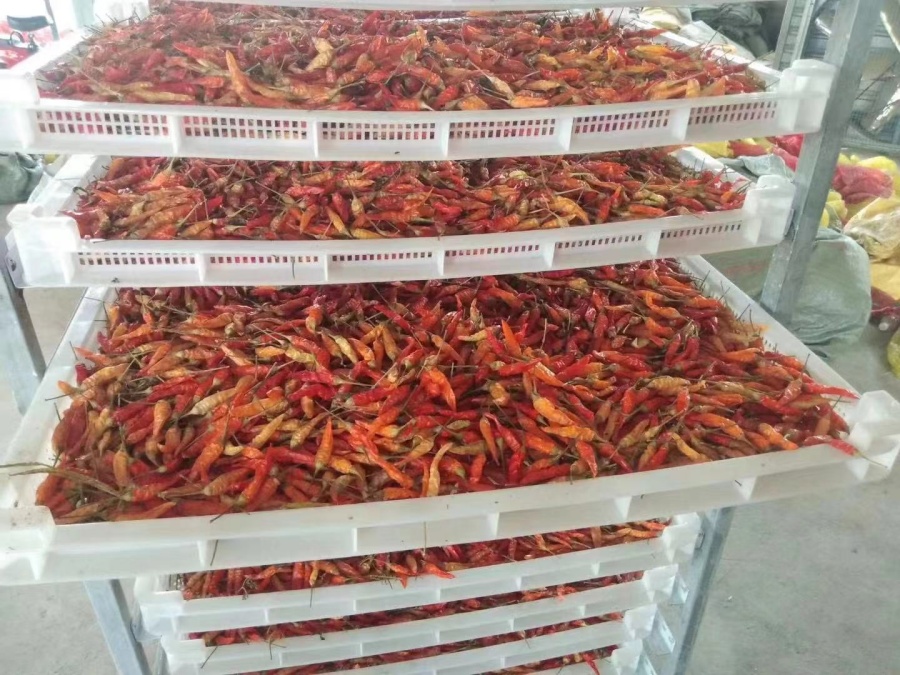
Method 1: Air Drying – The Traditional Approach for Red Chillies
Air drying is the gentlest method and requires no special equipment. It works best in warm, dry conditions with good air circulation—ideal for drying red chillies in tropical or Mediterranean climates.
How to Air Dry Red Chillies and Peppers
String Method: Thread a large needle with strong cotton or fishing line, then pierce through the green stalks of your red chillies. Leave about 3cm of stem on each pod. Hang the string in a warm, dry, well-ventilated area.
Plant Hanging: Dig up the entire red pepper plant, shake off the soil, and hang it upside down in a dry location.
Rack Drying: Simply place red chilli peppers on a drying rack in a warm spot, turning them occasionally to ensure even drying.
Ideal Conditions: Temperatures around 25°C are recommended for successful air drying of red peppers. Avoid locations that are too cool, as this can lead to mould growth rather than drying.
Drying Time: Several days to weeks, depending on conditions and the thickness of your red chillies.
Note: Sun drying, while similar, has notable drawbacks. Traditional sun drying (SD) can take up to 88 hours and often results in significant color fading due to carotenoid degradation from light and oxygen exposure .
Method 2: Solar Drying – Harnessing Free Energy
Solar drying offers a cost-effective and environmentally sustainable alternative to sun drying. Unlike open sun drying, solar dryers protect red chillies and peppers from dust, pests, and animal interference while providing controlled airflow .
Key Benefits of Solar Drying for Red Chillies
Cost-effectiveness: Operates solely on solar radiation, eliminating electricity or fuel costs
Nutritional retention: Preserves higher levels of vitamins and minerals compared to other preservation methods
Environmentally sustainable: Generates no direct emissions during use
Accessibility: Especially valuable in remote areas where electricity is unreliable
Advanced Solar Dryer Options
Modern solar dryers have evolved significantly. Some feature semi-automated systems with IoT sensors that monitor humidity and temperature in real time, with dual-step DC fan motors and incandescent light bulbs as an alternative heat source when the sun sets . The drying time for 200g to 1000g specimens operated with additional heat source averaged 55.2 hours, compared to 62.8 hours without . Some commercial solar dryers can handle up to 250 kg capacity and can be retrofitted with electrical heating for cloudy conditions .
Method 3: Electric Oven Drying – Quick and Convenient for Red Pepper
When air or solar drying isn't practical, electric oven drying offers a faster alternative for drying red chillies and peppers. Electric hot air circulation tray dryers are widely used in commercial settings. These systems operate as convection chamber dryers, where trays loaded with wet material are placed inside the drying chamber. Fresh cold air is sucked in via a circulation fan, flows through electrical heating tubes to reach the required temperature, and hot air evenly distributes through each layer of trays for efficient heat transfer .
Commercial Electric Oven Parameters:
Heating sources available: steam, electrical, far-infrared, or combinations
Temperature range: 50–140°C (steam heating), up to 350°C (electrical)
Automatic temperature control systems available
Batch capacities from 25kg to 480kg per cycle
Home Oven Drying Steps:
Spread red chilli peppers on a baking tray, ensuring they don't touch
Set the oven to 100–125°C (or 100–160°F)
Leave for at least 6 hours, checking occasionally
Tip: Red chillies are ready when they become crunchy and begin to crumble under pressure.
Caution: The kitchen air can become quite spicy during oven drying—ensure adequate ventilation, especially when drying hot red pepper varieties.
Research Insight: Studies show that while electric oven drying at 50°C takes approximately 46 hours, far-infrared drying achieves similar quality in just 11 hours, making it a more efficient option .
Method 4: Using a Dehydrator – The Reliable Choice for Red Chilli Peppers
A food dehydrator provides uniform temperature and consistent air circulation, making it the most reliable method for drying red chillies and peppers at home.
Settings: Set your dehydrator to 120–160°F (approximately 50–70°C) for optimal red chilli drying.
Drying Time: Typically 6–12 hours, depending on red pepper size and thickness.
Advantage: Dehydrators deliver even results without the risk of scorching or the energy waste of an oven door left ajar. One study on electric food dehydrators found that drying at 65°C provided moderate cycling and stable energy use, with moisture reduction following a logarithmic drying pattern .
Method 5: Commercial Heat Pump Drying – The Industrial Standard for Red Chillies
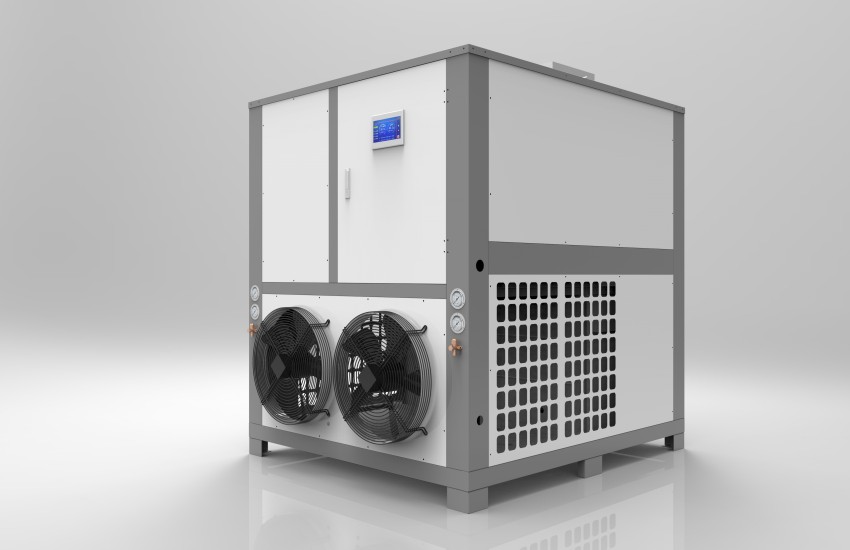
For large-scale production of dried red chillies and peppers, heat pump dryersrepresent the gold standard. These systems offer superior energy efficiency and precise environmental control, reducing energy consumption by 60–75% compared to conventional electric dryers.
Commercial Drying Parameters for Red Chilli Peppers:
Mechanical drying accelerates drying rate by 56.8–90.3% compared to sun drying
Maximum safe temperature for red chillies: approximately 65°C
Combined far-infrared with heat pump drying (FIR-HPD) further shortens drying time compared to single methods
Why Commercial Users Choose Heat Pump Dryers for Red Pepper:
Consistent quality regardless of weather
Energy-efficient operation using environmentally friendly refrigerants
Programmable multi-stage drying cycles for optimal red chilli results
Better preservation of bioactive compounds—FIR-HPD resulted in less severe carotenoid degradation than sun drying
Comparing Drying Methods for Red Chillies
Method | Drying Time | Key Advantage | Key Limitation |
Sun Drying | 88+ hours | Free, simple | |
Solar Dryer | 55–63 hours | Low cost, sustainable | |
Electric Oven | 39–46 hours | Controlled environment | |
Heat Pump Dryer | 8–35 hours | Energy-efficient, high quality |
Tips for Drying Red Chillies and Peppers Successfully
Choose the Right Varieties
Thin-skinned varieties like cayenne, Thai, Guajillo, or Chile de Arbol dry more easily and quickly than thick-fleshed red peppers like bell peppers or poblanos (which become anchos when dried) .
Check for Readiness
Red chillies and peppers are fully dry when they are brittle and rustle when touched. They should crumble easily—a key indicator for red chilli quality.
Monitor Temperature
Avoid temperatures above 65°C during drying, as excessive heat can degrade the colour, nutrients, and flavour of your red chillies and peppers . Research shows peppers dried at 45°C and 55°C maintained bright red color, while higher temperatures caused more degradation .
Consider Combined Technologies
Innovative approaches like far-infrared combined with heat pump drying (FIR-HPD) can integrate the advantages of different methods, achieving comprehensive improvements in drying performance while better preserving bioactive compounds .
Storing Dried Red Chillies and Peppers
Once dried, red chillies and peppers should be stored in airtight containers away from light and moisture. Whole dried red chillies retain their flavor best, but they can also be crushed into red chilli flakes or ground into red chilli powder for convenience.
Partner with Us for Commercial Red Chilli Drying Solutions
As a leading factory and supplier based in China, we specialize in manufacturing high-performance drying solutions for red chillies, peppers, and other agricultural products. Our portfolio includes:
Energy-saving heat pump dehydrators with PLC touch-screen controls for precise multi-stage drying programs
Hot air electric drying ovens with automatic temperature control systems
Solar-assisted drying systems for sustainable operations
OEM customization available for your specific red pepper requirements
Our Advantages:
Competitive wholesale pricing
Systems trusted in the Kenya, Romania, Spain, Australia, France, Angola, Nigeria, Vietnam, Egypt
Dedicated technical support from concept to installation
Contact our expert team today to discuss your commercial drying requirements for red chillies and peppers and discover how our solutions can transform your production line.
Interested In Distributing High End Heat Pump Products?
咨询表单总
Name*
*Email Address*
*Company Name
Phone/WhatsApp
Why Contact Us?*
*Message*
*Verification code